
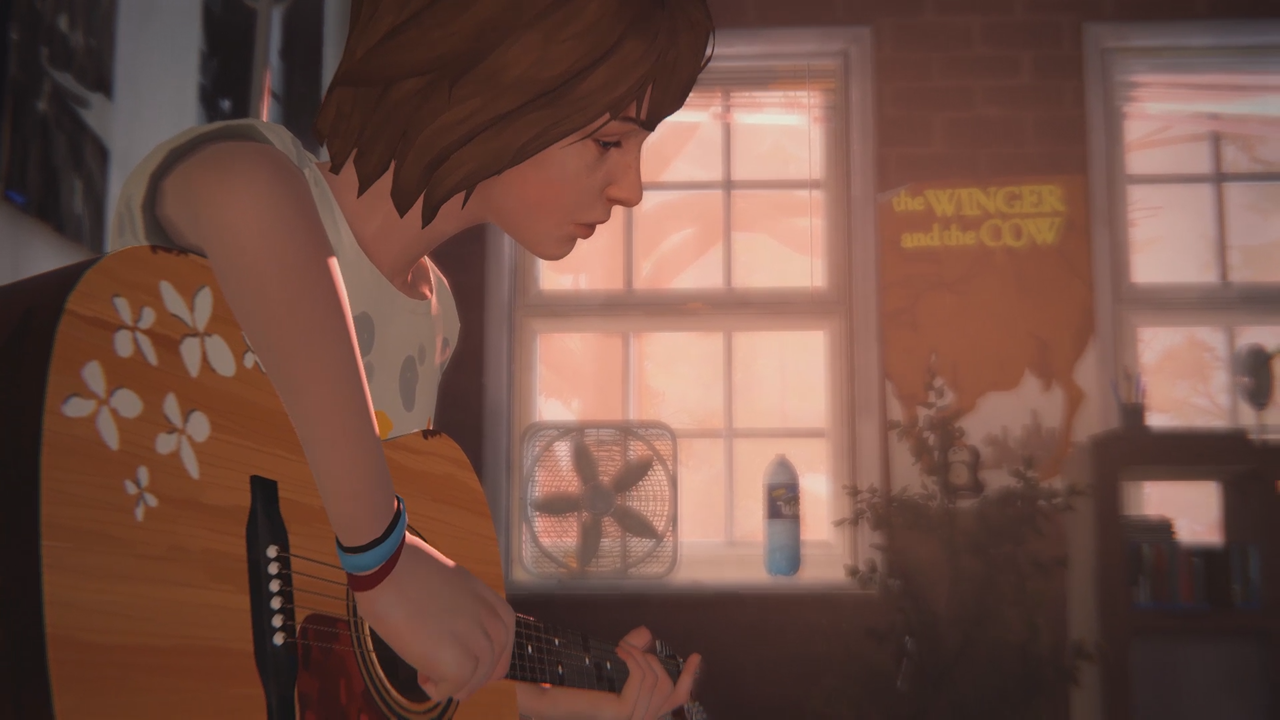
Music and sound are some of the most important elements when it comes to DONTNOD video games. Music can be one of the strongest narrative devices at our disposal as game developers, and it always plays an enormous role in establishing the unique atmosphere for games. We knew from the beginning that this was going to be even more pronounced in the case of Life Is Strange, an episodic video game which draws its influences from Movies and TV Shows. You’ll notice that the music choices and especially how we implemented them also portray the influences from movies and TV shows.
Very early on in the game development process, alongside writing and pre-production, we decided to have both an original soundtrack and licensed tracks. In alignment with our intentions for this project, each would and should serve a precise purpose at different moments of the game. It was really important to never have music for the sake of having music, but rather include music intentionally and with purpose. The game is unique in how it mixes licensed songs with a custom soundtrack created by Jonathan Morali, a member of Syd Matters.
Throughout the game, we explored the use of diegetic and extradiegetic music. One scene at the beginning of Episode 2 in particular is using the same song (Alt-J – Something Good) in both ways. Additionally, we allowed the protagonist Max, to play guitar over it; it was important for us to anchor this song even more into Max's universe and demonstrate how she is relating to the songs that she is listening to, at the same moment as the player. This creates a stronger connection between the player and Max.
This scene is the beginning of the second episode, Max is waking up in her bed. After the player input, cinematic with music starts. First, the music is “OFF” (extradiegetic), and then “IN” (diegetic) when the player takes control. Max is able to move freely, to stop the music or to play guitar (with or without the music from the Hi-Fi system).
In this tutorial, I’m going to explain how we realized this scene, most of it is handled by Wwise.
Wwise:
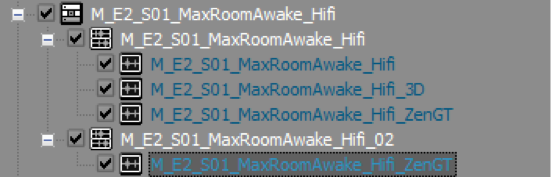
The Playlist Container is made with two Music Segments.
The first one contains:
- The music track in 2D (extradiegetic)
- The music track in 3D (diegetic)
- The guitar track in 2D (played from the guitar)
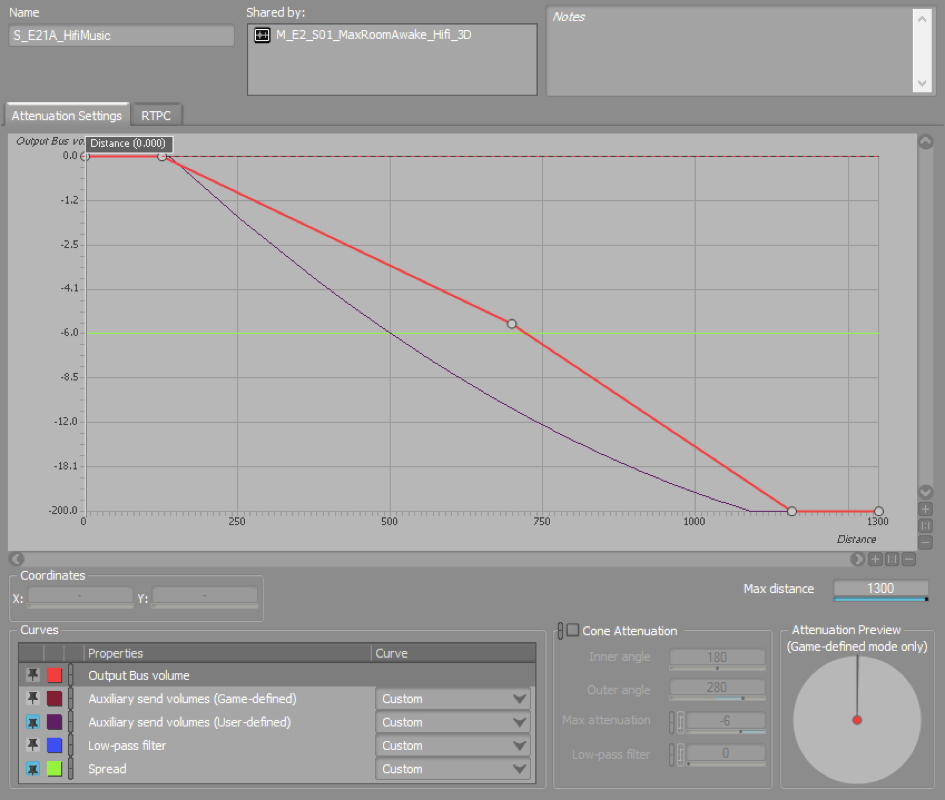 3D Track Attenuation Settings
The other segment only contains the guitar track in 2D.
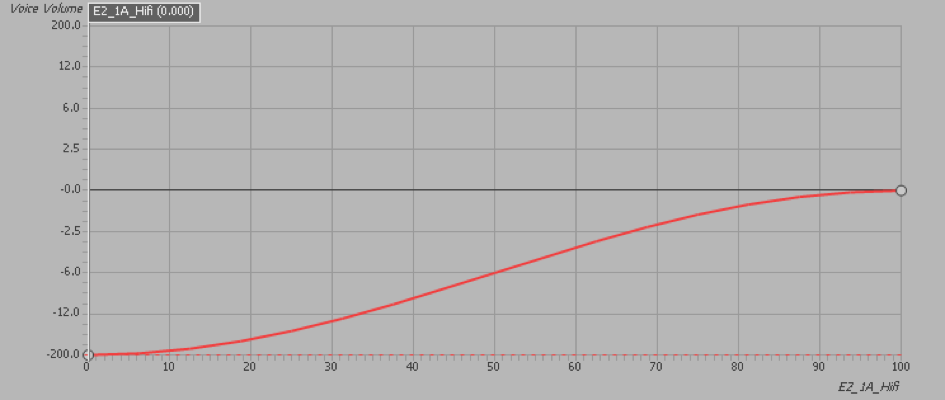
We used two RTPCs, the first one (E2_1A_Hifi) whose settings are 0 – 100, Default: 0.
This RTPC is assigned to both of our music tracks but with reversed values.
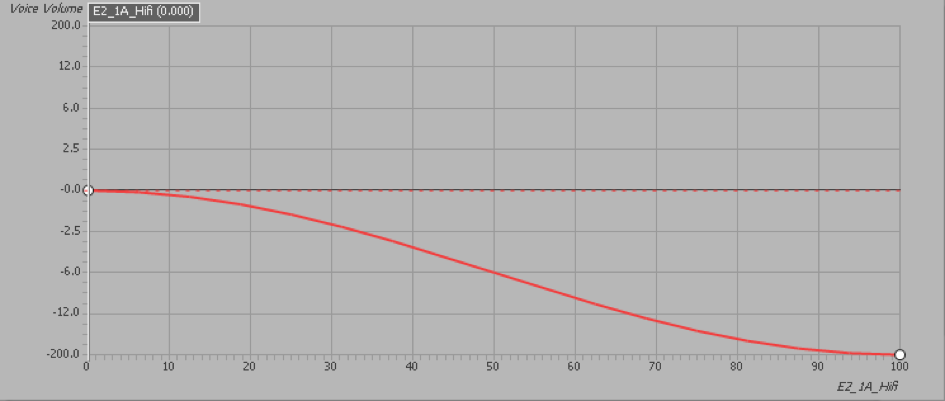 2D Music
3D Music
The RTPC value starts at 0, and we can only hear the 2D Music. When we decide it (in this case, we catch an Event during the cinematic), we are going to progressively set the value to 100.
This allows a really smooth transition between the two versions of the track.
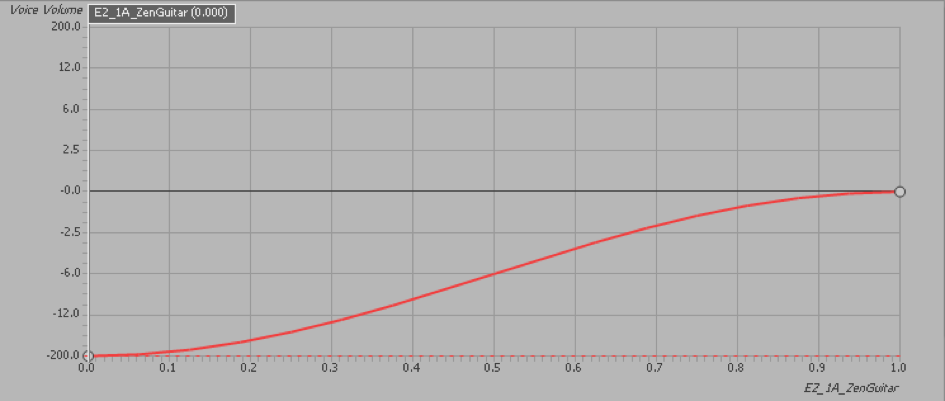
The other RTPC (E2_1A_ZenGuitar) is assigned to the guitar tracks, its settings are 0 – 1, Default: 0.
Its value is set to 1 when players take the guitar, and to 0 when they stop playing.
To sum things up!
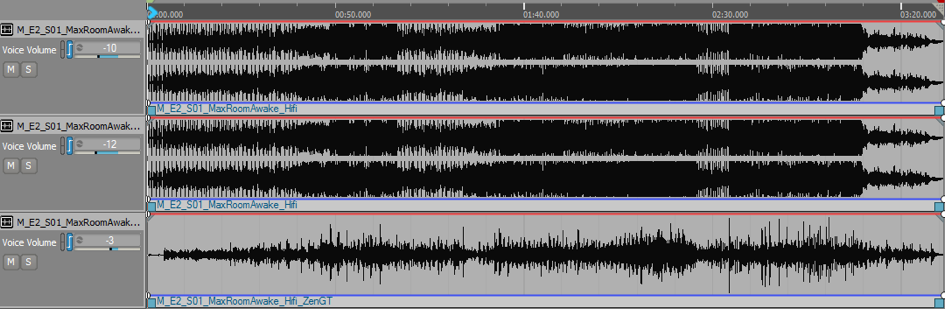
Three synchronized tracks are playing together.
- One RTPC to transition smoothly between 2D and 3D
- Another one to add a synchronized layer to the other one.
Finally, the other segment is implemented this way:

This allows Max to keep playing guitar until she wants to stop, even after the music is over.
Now, the only thing you have to do in your engine is to play the Music Segment then set the RTPC values the way you want.



댓글